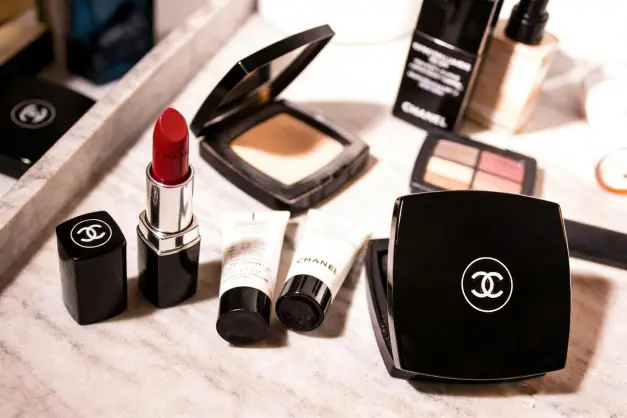
After the post-pandemic boom, the global luxury goods market has witnessed a growth slowdown in 2025, hit by US tariffs, rising costs and consumers’ resistance to steep price hikes, leading to a sharp drop in demand for high-end core products. Top brands like Louis Vuitton and Prada have stepped up the layout of affordable entry-level luxury products such as beauty products and bag accessories, a key strategy to attract customers, boost sales and balance brand accessibility with high-end exclusivity amid the slump.
Ramping Up Affordable Categories to Tap New Consumer Demand
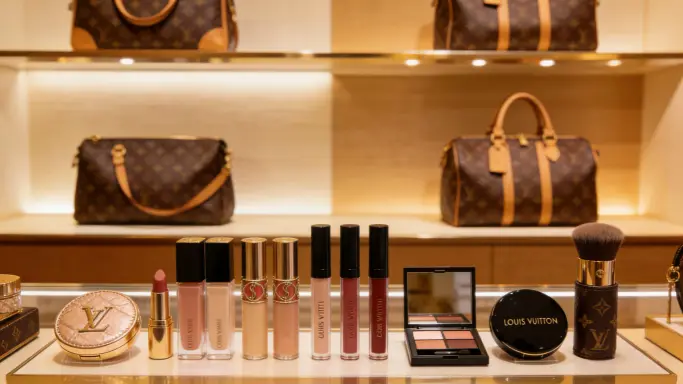
Luxury brands take beauty products and bag accessories as the core of affordable luxury layout: Louis Vuitton launched a beauty line with 55 lipsticks and 10 lip balms, whose $160 scented lipstick is far more budget-friendly than its core handbags; Prada and Celine also enter the beauty market for high profit margins, while Coach and Louis Vuitton roll out bag charms and co-branded keychains, catering to consumers’ “treat yourself” psychology when cutting big-ticket spending, and these entry-level luxury items lower the consumption threshold and drive sales effectively.
Cultivating Long-Term Brand Loyalty Through Entry-Level Products
The launch of affordable entry-level luxury products is a long-term strategy for luxury brands rather than a short-term revenue tactic: LVMH refuses to discount affordable handbags and instead uses perfumes and small leather goods as luxury starter products to attract young consumers, paving the way for their future high-end consumption; as Bank of America Securities notes, such products expand brand market reach and cultural influence, and nurturing young consumers—who will become the main force of the luxury goods market with wealth accumulation—lays a solid customer foundation for brands’ long-term development.
Balancing Accessibility and Exclusivity to Address Core Strategic Challenges
The core challenge for luxury brands in launching affordable luxury products is balancing brand accessibility and high-end exclusivity: analysts suggest brands beef up ultra-high-end product lines while rolling out budget-friendly ones to retain high-net-worth customers, a lesson learned after Burberry and Gucci damaged their high-end image with excessive discounts; the effect of this strategy remains uncertain as entry-level luxury buyers are more economically sensitive, and their shift to high-end consumption relies on economic recovery, making it crucial for brands to convey core values to the younger generation and solidify their high-end brand perception for long-term success.
The trend of luxury brands focusing on affordable entry-level products continues, as both a passive response to market slowdown and an active adjustment to consumer trends. In the future, balancing the cultivation of a stable customer base via luxury starter products and the protection of brand high-end exclusivity will be the core of competition in the global luxury goods market.
Leave a Reply