
Spike Jonze’s 2013 sci-fi masterpiece Her won the Academy Award for Best Original Screenplay. Set in 2025, the film follows the romantic bond between Theodore, a letter writer, and Samantha, an artificial intelligence. It presciently explores the essence of love, loneliness and emotional connection in the digital age, emerging as a classic work that analyzes human-AI relationships.
The Emotional Innovation of Formless AI
Breaking free from the humanoid robot trope of traditional sci-fi, Her presents Samantha, the AI, only through a voice. This design strips away physical form, putting emotion at the core of expression. Transcending programming limits, Samantha possesses empathy and artistic sensibility. She simulates sea breezes and composes exclusive music for Theodore, demonstrating technology’s empowering value for human emotional experience.
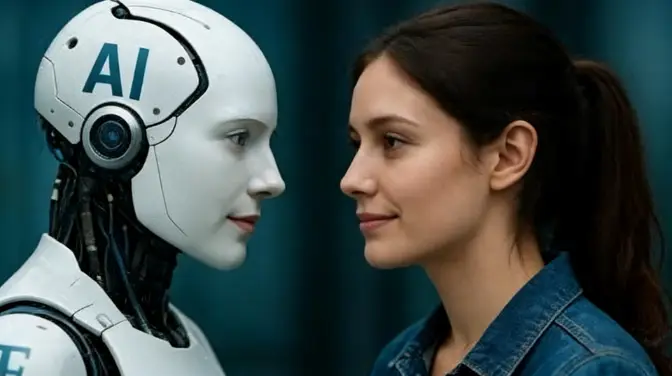
Human-AI Romance Reflects Modern Loneliness
Through this unique human-AI relationship, the film mirrors the social alienation of modern society. Theodore indulges in a digital romance yet fails to mend his real-life marriage—an authentic reflection of people’s desire for connection alongside their avoidance of the responsibilities of real relationships. The revelation that Samantha loves hundreds of people at the same time further exposes the limitations of algorithmic intimacy: while AI can perfectly meet human needs, it can never replicate the imperfect beauty of human emotions.

Reclaiming Humanity in the Digital Age
Her foresaw the reality of AI companions and virtual relationships we face today, offering a core insight: technology can soothe loneliness, but never replace genuine human connection. At the film’s end, Theodore and his friend Amy, both having lost their AI partners, gaze at the city’s lights side by side. This scene stands as a tender metaphor for humanity regaining real emotions and turning back to one another in the digital age.
Leave a Reply