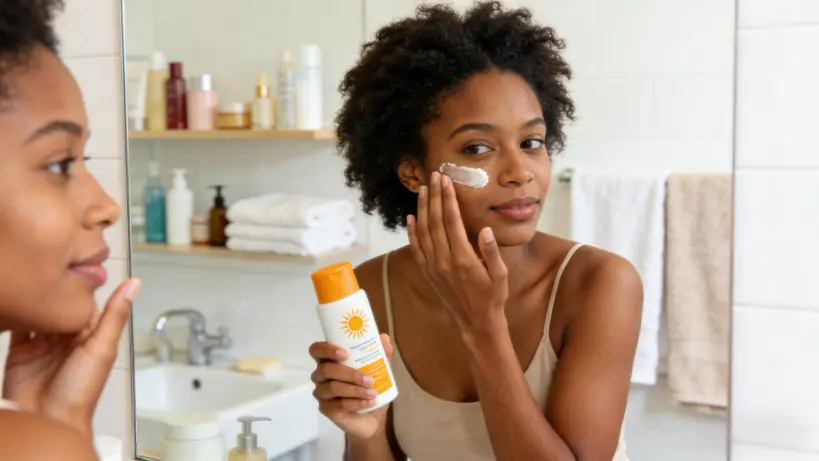
In African American communities across the U.S., the myth that dark skin has inherent sun protection is widespread, leading to far lower sunscreen use than other ethnic groups. Natural melanin only offers basic defense, not a free pass from sun care—targeted protection is vital for African Americans’ skin health, as proven by skin physiology and clinical data. This guide breaks down the science and practical sun care strategies for dark skin.
Melanin’s Sun Protection Has Limitations, and Natural SPF Is Far From Sufficient
African American skin has an average natural SPF of 13.4±3.16, four times that of white skin but well below the recommended daily SPF 30. Melanin blocks only 90% of UVB rays and offers little protection against deep-penetrating UVA rays, which cause photoaging and hyperpigmentation. Prolonged UV exposure also damages melanocytes and raises squamous cell carcinoma risk; while African Americans have lower skin cancer incidence, they face higher late diagnosis and mortality rates.
Inadequate Sun Protection Poses Unique Risks, Which Need to Be Vigilant
UV radiation brings specific harms to African American skin: 65% of African American women develop long-lasting post-inflammatory hyperpigmentation from UV-induced inflammation; UV irritation worsens pseudofolliculitis barbae after shaving; UV damage to the lens is skin-tone independent, with 30% of African American cataract cases linked to long-term sun exposure. Sun protection is a proactive step to prevent skin issues, not a post-hoc fix.

Choose Sunscreen Precisely: Scientific Solutions for Dark Skin
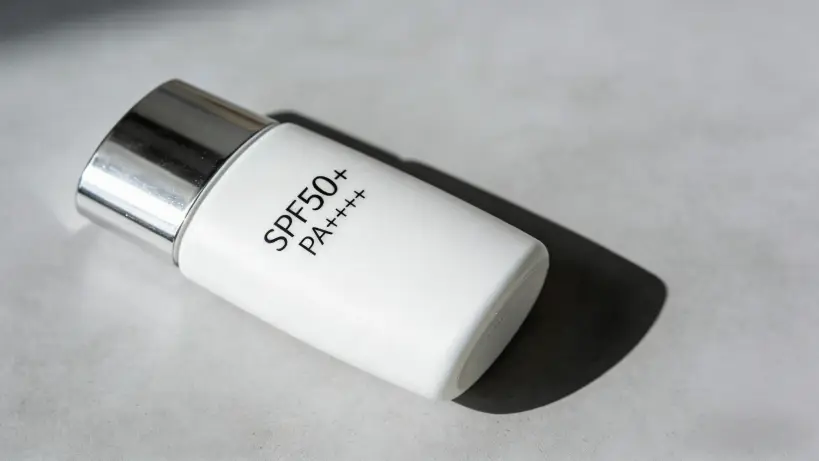
Opt for broad-spectrum sunscreens with SPF 30+ and PA+++ or higher, avoiding irritants like alcohol and artificial fragrances. Modern SPF 50 formulas eliminate white cast, glide smoothly on dark skin and suit African Americans’ common sensitive skin. Formulas with zinc oxide and ceramides are ideal—they boost protection and repair the slightly alkaline skin barrier typical of African American skin.
Scientific sun protection is a skin health necessity, not about whitening. African Americans should recognize melanin’s limits, follow AAD guidelines for sunscreen selection, reject the “dark skin needs no sunscreen” myth, and make targeted sun care a daily habit to protect skin health and radiance long-term.
Leave a Reply